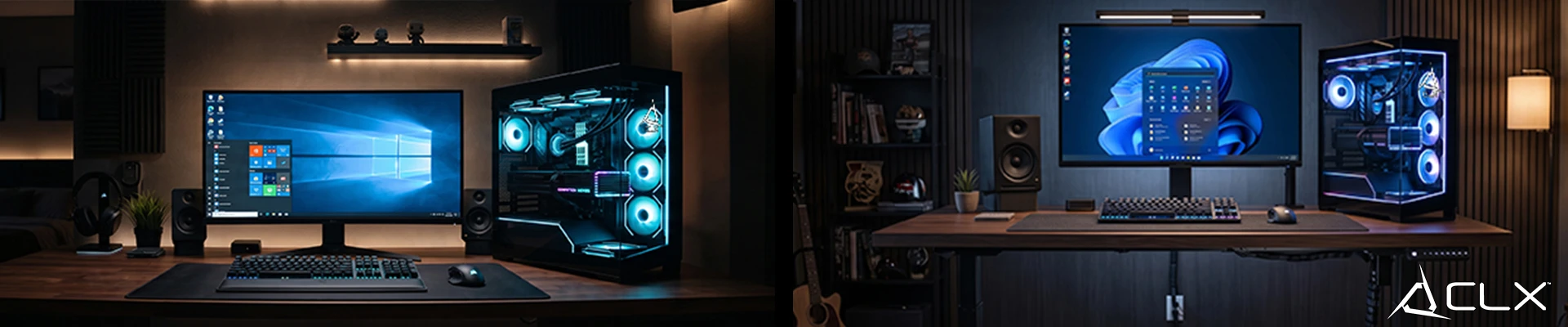
TL; DR: Neither desk type is universally better. Standing desks cut sedentary time, improve circulation, and burn more calories, while sitting desks offer stability for focused, precision work. Most people get the best results from a hybrid setup that alternates between both throughout the day.
The standing desk versus sitting desk debate has been going on for years, and it isn't close to settled. Office workers, remote employees, and health experts all have opinions, but the truth is that the "right" desk depends on your body, your work, and your habits.
Your desk setup affects more than comfort. It shapes your posture, your energy levels, and even your long-term health risks. Spend eight hours a day hunched at the wrong height, and you'll feel it in your neck and lower back within weeks. Get the setup right, though, and your desk becomes a tool that supports focus instead of fighting it.
This post breaks down the health tradeoffs, productivity differences, and practical costs of standing and sitting desks, then looks at why a hybrid approach often works better than picking one side permanently.
What are the health benefits of a standing desk?
Standing desks reduce the amount of time you spend sedentary, which lowers several long-term health risks tied to prolonged sitting. Standing improves circulation and can help prevent blood clots from forming in the legs during long work sessions. Many users also report reduced back pain and better posture over time, since standing naturally encourages a more upright spine alignment than slouching in a chair.
Standing also burns more calories than sitting, even without added movement. It's not a substitute for exercise, but it adds up over a full workday. Beyond the physical effects, standing has been linked to higher energy levels and sharper mental alertness, particularly in the afternoon slump when sitting too long tends to make people sluggish.
What health considerations come with a sitting desk?
Sitting desks aren't without their advantages. They offer stability and comfort for extended stretches of focused work, which matters for tasks that require precision, like detailed design work or data entry. Sitting also reduces strain on your legs and feet, something standing desk users notice after a few hours on their feet without a break.
The tradeoff is real, though. Prolonged sitting is associated with reduced circulation, weight gain, and a higher risk of cardiovascular issues over time. The key word is "prolonged." Sitting itself isn't the enemy, but sitting without movement for hours at a stretch is.
Does a standing desk improve focus and productivity?
Standing desks may enhance mental clarity and keep you more engaged during meetings or quick tasks. But sitting desks offer a kind of stillness that supports deep concentration, especially for work that demands sustained attention over long periods.
Productivity differences often come down to the individual. Some people think more clearly on their feet. Others find standing distracting when they need to concentrate. Your work type matters here. Creative brainstorming might benefit from standing, while detailed analytical work might go smoother sitting down.
How does ergonomics affect comfort at a standing or sitting desk?
Proper setup matters more than whether you're standing or sitting. A poorly adjusted standing desk can cause just as much strain as a poorly adjusted chair. Monitor height, chair support, and desk positioning all play a bigger role in comfort than the desk type alone.
To maintain good posture in either setup, keep your monitor at eye level, your elbows at roughly 90 degrees, and your feet flat on the floor or a footrest. A supportive chair matters just as much as a sturdy standing desk.
How much do standing desks cost compared to sitting desks?
Standing desks, especially electric sit-stand models, typically cost more upfront than traditional sitting desks. They also require more floor space to accommodate the adjustable mechanism, which can be a limitation in smaller offices or home workspaces. Traditional sitting desks tend to be more affordable and take up less room, though high-quality sitting desks built for durability can close that price gap over time.
What is a hybrid desk setup and how do you build one?
Alternating between standing and sitting throughout the day captures the benefits of both without the drawbacks of either extreme. Switching positions every 30 to 60 minutes keeps circulation moving, reduces fatigue, and helps you avoid the stiffness that comes from staying in one position too long.
If you're building a hybrid setup, start with a sit-stand desk converter if a full adjustable desk isn't in the budget. Set reminders to switch positions, and pay attention to how your body feels. Some people stand during calls and sit for focused writing. Find the rhythm that works for your workday.
Movement matters more than the desk you choose
Neither standing nor sitting wins this debate outright. The best desk setup depends on your work tasks, your health goals, and how your body responds to each position. What matters most isn't the desk itself but how much you move throughout the day and whether your setup supports good posture.
If you're unsure where to start, try a hybrid approach for a few weeks and pay attention to your energy, focus, and comfort levels. Your body will tell you what works. Get the most out of your setup with a CLX workstation!
FAQ
Is a standing desk better than a sitting desk for back pain?
How often should I switch between standing and sitting?
Do standing desks really help you lose weight?